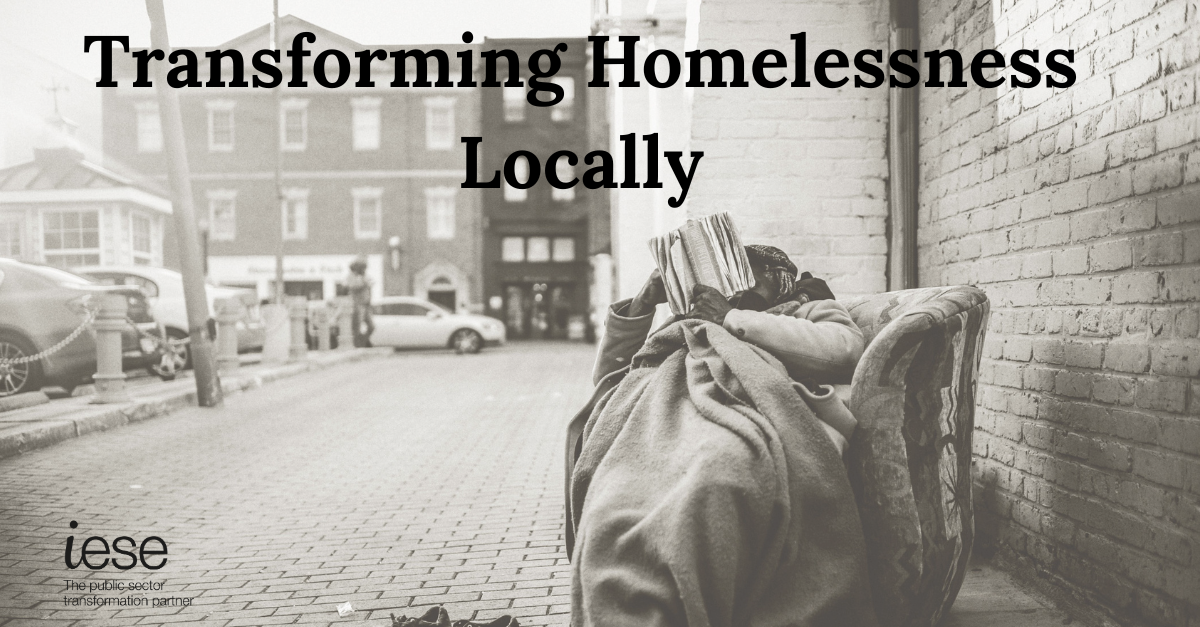
The housing crisis in the UK is reaching worrisome levels, with a recent statement from the UK homelessness charity Shelter stating that over 382,000 people in England alone were homeless in December 2025.
That figure, a snapshot of Christmas 2025, included 175,025 children without a home.
This represented an 8% increase on the year prior, with an estimated increase of 28,602 people, demonstrating that 1 in every 153 people experiencing homelessness.
A Background to UK Homelessness
A government report that was produced in December 2025 found that homelessness in the UK is costing taxpayers, with spending on temporary accommodation reaching almost £2.8 billion in 2025 – almost 5 times higher than in 2010. The report looked at how various structural, individual, and interpersonal factors can contribute to homelessness or increase the risk.
Poverty, a primary driver of homelessness, is a prime example of how personal and structural factors can increase risk and how these distinct areas of causality can feed into one another.
Some of the structural drivers include:
- Undersupply of social rented housing.
- Restrictions to benefit entitlement.
- Rising living costs.
Reported personal and interpersonal factors include:
- Mental health challenges (including substance dependency).
- Relationship breakdown.
- Income levels.
The Economic Impact
Homelessness comes at a stark economic cost. It can drive up significant strain on public services, inflating budgets across healthcare, criminal justice, and social services/temporary accommodation.
- Many homeless individuals will lack a permanent address, frequently leading to chronic condition mismanagement and an overuse of emergency services.
- Higher rates of contact with legal and police systems are often driven up, taking up a considerable proportion of law enforcement expenses.
- Temporary beds can cost service providers double what is required to subsidize permanent housing options.
Homelessness without a doubt influences employment, as maintaining or even securing employment without a residential address or regular access to sanitation services is next to impossible. Thus, this acts as a barrier for individuals to join the workforce.
Centrepoint charity produced a research paper that stated that in the UK it is estimated that around 70% of the annual economic cost of youth homelessness comes from economic inactivity.
How The UK Housing Crisis Contributes to Homelessness
There is a substantial lack of housing supply in England, which is widely acknowledged as a primary driver of homelessness, and commentary on how the issue expands beyond the quantity of homes built and extends into an affordability crisis. Many young people who cannot obtain social housing end up in private rentals, which are more expensive. This is also matched by entry-level salaries, unable to match the high cost of private renting.
The freezing of Local Housing Allowance (LHA) further reduced the housing options for those on benefits. LHA rates set the maximum amount of help people who are in receipt of benefits can claim towards housing costs in the private rental sector. Research has indicated that freezing these rates increases the risk of homelessness by breaking the link between housing benefit support and changed in local private rental prices.
What Are the UK Housing Requirements?
A 2024 paper published by Heriot-Watt University examined how many homes the UK would need to build to meet population needs by 2030. It suggests that 350,000 new homes will be needed each year from 2030, including 90,000 for social rent. The government has since committed £39 billion of investment to support further housing development.
Navigating The Private Rental Sector
There has been a call for more social housing to be built after a 2024 value-for-money report from the National Audit Office. This report highlighted that there is a notable increase in the number of households that became homeless between 2018/2019 and 2022/23 due to a private sector tenancy ending.
The new legislation around private rental markets that increase renter rights seeks to mitigate some of the factors that can lead to homelessness within the private rental market; however, there is more that the government seeks to address.
East Ayrshire Council Efforts in Trauma-Informed Housing
East Ayrshire Council has demonstrated how local authorities can take targeted action to reduce homelessness in their communities.
Since 2022, East Ayrshire Council has implemented a trauma-informed approach within its housing options teams. This has included dedicated resources to help staff understand and respond to the impact of trauma, alongside NES-accredited training for the whole team.
This shift has changed how the team understands homelessness, highlighting the links between trauma, homelessness, addiction and contact with the prison system. The council’s commitment to this approach is reflected in a significant reduction in repeat homelessness across the area.
Gravesham Employment Pathway
Meanwhile, Gravesham Borough Council have been working on a rough sleeping initiative that functions as a beacon of hope and transformation for the local authority.
Gravesham purchased a large property close to the town centre, offering 10 en-suite bedrooms and 4 emergency overnight crash-pads. The council works with Mind, HM Prisons, and a range of other charities for a multidisciplinary approach to tackling homelessness.
The council offers work opportunities and tailored support and resources to help people who have experienced rough sleeping overcome barriers and start building meaningful careers.
The cases in East Ayrshire and Gravesham show the impact of local authority initiatives on localised homelessness crises. If you and your local authority would like to share the work that you are doing to combat homelessness in your community, please get in touch.
Reference Links